
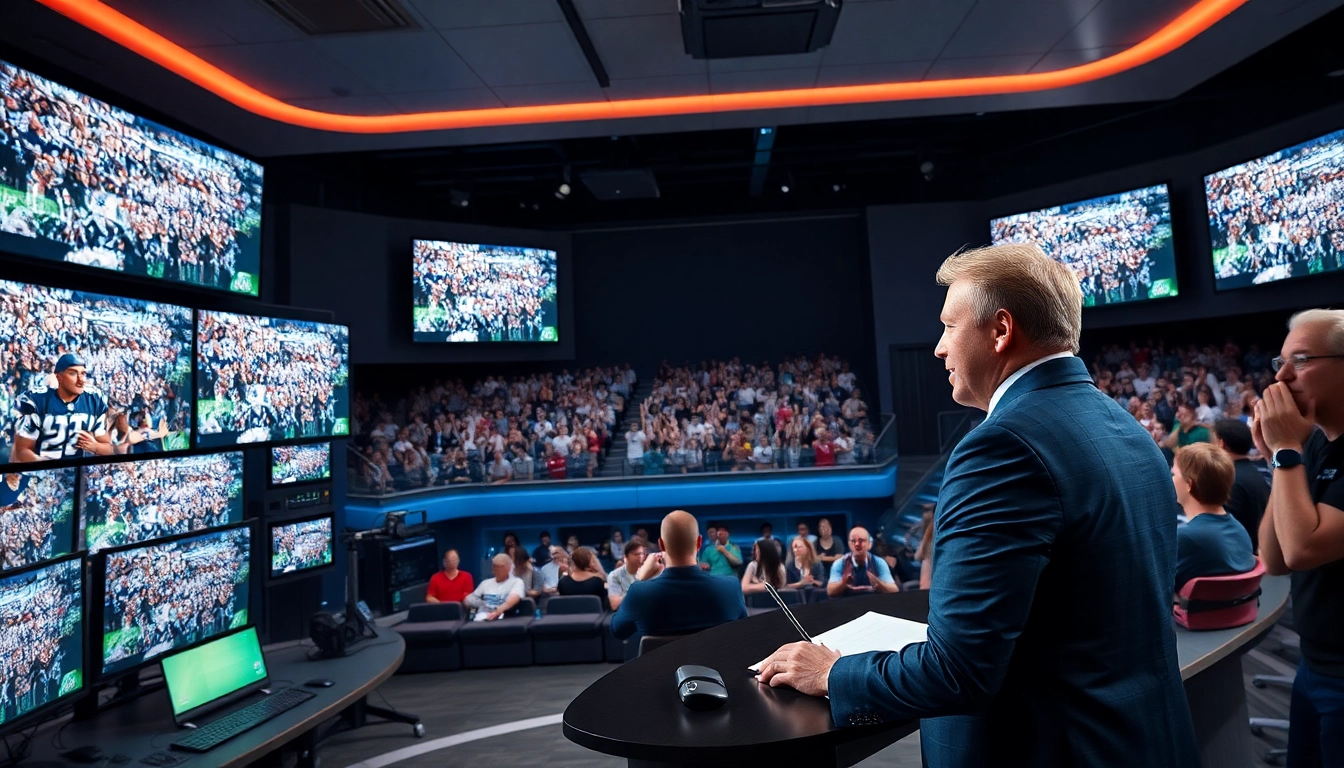
Understanding Sports Broadcasting Fundamentals
Sports broadcasting is an ever-evolving field where technology, creativity, and a deep understanding of sports intertwine. At its core, sports broadcasting aims to deliver live sports events to audiences through various platforms, engaging fans in real-time and making them feel part of the action. From traditional television to modern streaming platforms, the landscape of Sports Broadcasting has transformed dramatically over the years. This article explores the fundamentals, essential equipment, quality-enhancing techniques, challenges, and emerging trends in sports broadcasting.
The Role of Sports Broadcasting
Sports broadcasting serves several key roles, including artistically capturing the excitement of live events, providing analysis and commentary, and connecting fans with their favorite teams and athletes. It not only entertains but also educates viewers about the rules, strategies, and nuances of different sports. The significance of sports broadcasting is also evident through its ability to foster community among fans, creating shared experiences that transcend geographical boundaries.
Key Components of Sports Broadcasting
There are essential components that work together to create the final broadcast package, including:
- Producers: They coordinate all aspects of the broadcast, from planning the event coverage to managing the technical crew.
- Cameramen: Skilled individuals who capture the action from various angles, ensuring the excitement is conveyed effectively.
- Commentators: They provide play-by-play narration and expert analysis, enriching the viewer’s experience.
- Graphics and Data Teams: They enhance the broadcast with real-time stats, player information, and visual storytelling elements.
Types of Sports Broadcasting Formats
Sports broadcasting can take several formats, including:
- Live Broadcasting: Real-time coverage of sporting events, often accompanied by commentary and analysis.
- Recorded Broadcasts: Programs that feature highlights from recent games or events, often including commentary and insights.
- Online Streaming: Broadcasting via the internet, allowing viewers to watch live or recorded events on computers and mobile devices.
- Podcasts and Radio: Audio-only formats that provide commentary, interviews, and analysis, catering to audiences who prefer listening over watching.
Essential Equipment for Sports Broadcasting
Camera and Audio Equipment
The backbone of any sports broadcast lies in its camera and audio equipment. High-definition cameras are essential for capturing clear footage, while multiple camera angles enhance viewer engagement. Audio quality is equally vital, as clear commentary and sound effects create an immersive experience. Lavalier microphones for commentators and shotgun microphones to capture crowd noise are commonly used to ensure optimum sound quality.
Broadcast Software and Hardware
Efficient broadcasting requires robust software and hardware solutions. Broadcasting software enables live switching between camera feeds, integrating graphics, and managing audio levels. Hardware such as video switchers, encoders, and graphic generators are also crucial to producing a professional broadcast. Investing in top-notch technology can dramatically enhance the quality of the final output.
Streaming Solutions for Sports Events
With the exponential rise of online streaming, many sports broadcasters now use specialized platforms to deliver content. Services that provide real-time streaming solutions allow for high-quality video delivery, multi-camera setups, and data integration for live statistics. Furthermore, cloud-based solutions enable broadcasters to store, manage, and share large volumes of data effectively.
Techniques to Enhance Sports Broadcasting Quality
Effective Commentating Strategies
Commentary plays a crucial role in sports broadcasting. Effective commentators possess a deep knowledge of the sport, articulate delivery, and the ability to engage viewers emotionally. They should use descriptive language to paint a vivid picture, illustrate player movements, and predict upcoming plays, thereby drawing viewers deeper into the narrative of the game.
Visual Storytelling in Broadcasting
The art of visual storytelling is integral to captivating broadcasts. Techniques such as player profiles, highlight reels, and behind-the-scenes sketches breathe life into the viewer's understanding of the sport. Graphics that illustrate statistics or depict player movements create a richer viewing experience, helping audiences appreciate the art of the game beyond the scores alone.
Engaging the Audience
Audience engagement is key in sports broadcasting. Utilizing social media platforms for live reactions, fan polls, and Q&A sessions allows broadcasters to create a two-way conversation with viewers. Incorporating audience feedback into broadcasts or featuring fan-generated content keeps the community feel alive, making viewers feel valued and connected.
Challenges in Sports Broadcasting
Dealing with Technical Difficulties
Technical difficulties can disrupt live broadcasts, making immediate problem-solving skills essential for producers and technicians. It is vital to have backup systems, including alternative feeds and more than one communication method among crew members. Regular equipment testing and preparedness drills can help minimize disruptions during a live event.
Navigating Time Constraints
Time constraints are common, especially during live sports events with strict time slots. Broadcasters must efficiently manage game coverage, transitioning seamlessly between plays, promotions, and commentary. Strict adherence to time management protocols ensures a smooth viewing experience and consistent programming schedules.
Addressing Audience Expectations
Viewers have high expectations for quality, entertainment, and engagement during broadcasts. Meeting these expectations requires constant evaluation and adaptation. Feedback should be actively sought and analyzed, with action taken to address common viewer complaints or suggestions. Regularly refreshing content and striving for innovative approaches keeps audiences satisfied.
Future Trends in Sports Broadcasting
Virtual and Augmented Reality in Sports
The integration of Virtual Reality (VR) and Augmented Reality (AR) in sports broadcasting is gaining momentum. These technologies can provide immersive experiences, allowing fans to feel as though they are part of the game. AR overlays can enhance broadcasts by providing real-time stats and insights directly on the viewer's screen, creating an engaging viewing experience.
Impact of Social Media on Broadcasting
Social media platforms play a critical role in sports broadcasting, acting as both a promotional tool and a method for live interaction. Broadcasters are increasingly leveraging these platforms to share highlights, engage viewers during games, and facilitate community discussions, enhancing audience loyalty and investment in the sport.
Advances in AI and Analytics
Artificial Intelligence (AI) and analytics are revolutionizing how sports are broadcasted. AI can analyze vast amounts of data to enhance decision-making processes during broadcasts and provide deeper statistical insights. Broadcasters can utilize predictive analytics to anticipate game changes, improving commentary and audience engagement strategies.
Frequently Asked Questions
What is Sports Broadcasting?
Sports Broadcasting refers to the live transmission of sports events through various media, allowing audiences to engage and experience the excitement of the games from anywhere.
What equipment do I need for Sports Broadcasting?
Essential equipment includes high-definition cameras, microphones, broadcasting software, video switchers, and streaming solutions to effectively capture and deliver content.
How has technology changed Sports Broadcasting?
Technology has enabled higher quality broadcasts, with multiple camera angles, real-time analytics, and interactive features through online streaming and mobile applications.
What are the future trends in Sports Broadcasting?
Future trends include the use of Virtual and Augmented Reality, increased social media integration, and reliance on AI for content creation and analytics during broadcasts.
How can audience engagement be improved in broadcasting?
Engagement can be improved by utilizing social media for real-time interaction, conducting polls, showcasing fan content, and including audience feedback in broadcasts.