
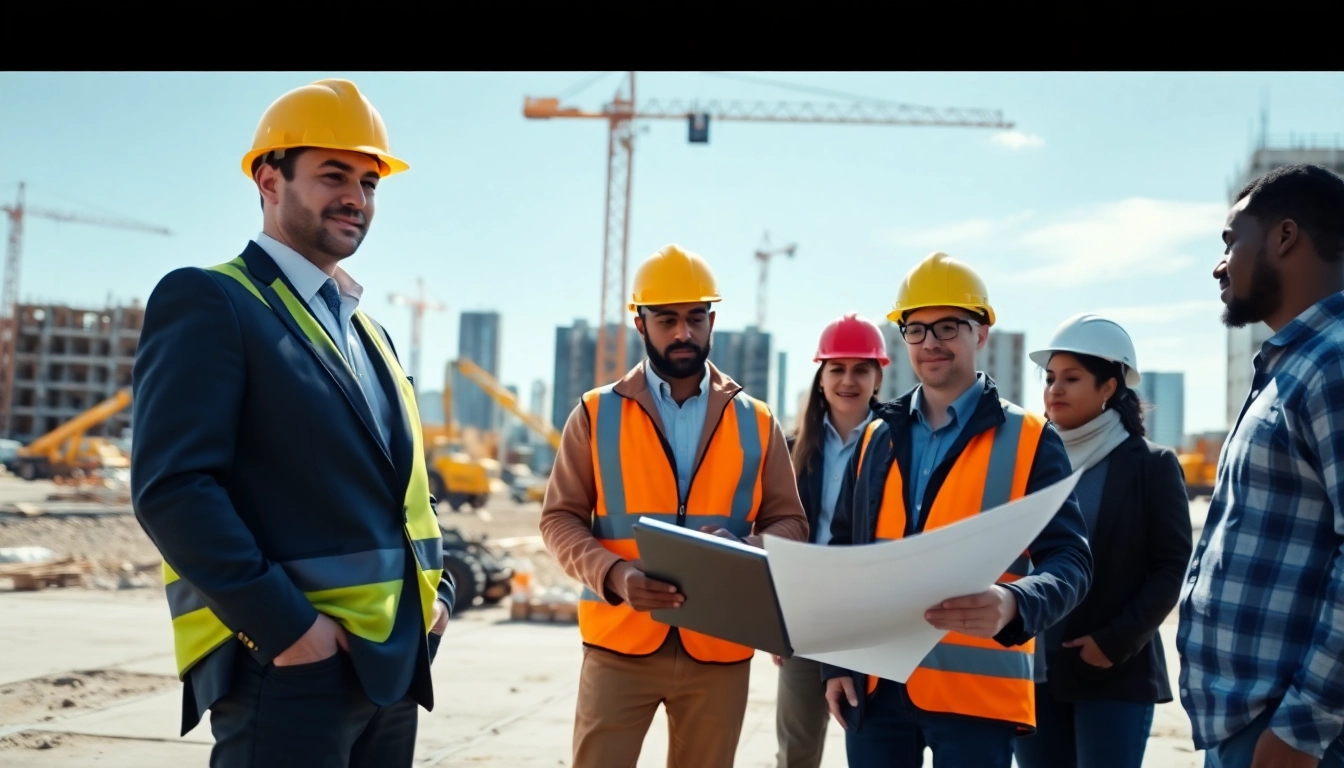
Understanding the Role of a New York Construction Manager
The New York Construction Manager plays a vital role within the ever-evolving construction industry. Acting as the central figure overseeing projects from inception to completion, they are tasked with ensuring that each phase of the build is executed efficiently, safely, and within budget. This position requires a unique blend of skills, responsibility, and adaptability to meet the myriad challenges that arise in urban settings like New York City.
Key Responsibilities in Construction Management
A New York Construction Manager is compelled to juggle multiple responsibilities, which include:
- Project Planning: Developing comprehensive project plans that outline timelines, resources, budgeting, and milestones.
- Resource Allocation: Ensuring that labor, materials, and equipment are available and effectively utilized throughout the project.
- Site Supervision: Overseeing daily operations on-site to ensure compliance with plans and regulations, and to optimize on-site productivity.
- Quality Control: Implementing rigorous quality assurance processes to meet design and safety standards.
- Budget Management: Monitoring expenses and ensuring the project stays within the allocated budget while avoiding unnecessary costs.
These responsibilities highlight the multifaceted nature of the position, compelling construction managers to possess diverse expertise in project management, finance, and leadership.
Qualifications and Skills Needed
To excel as a New York Construction Manager, individuals are typically expected to have:
- Educational Background: A degree in construction management, civil engineering, architecture, or a related field is advantageous.
- Certifications: Credentials such as Project Management Professional (PMP) or Certified Construction Manager (CCM) can bolster their professional standing.
- Technical Knowledge: Familiarity with building codes, contract law, and the latest construction techniques and materials.
- Interpersonal Skills: Strong communication and negotiation skills are essential for building relationships with stakeholders, clients, and subcontractors.
- Problem-Solving Abilities: Quick-thinking and creativity to resolve issues as they arise on-site.
These qualifications not only prepare the construction manager for the technical aspects of the job but also equip them to handle the interpersonal dynamics necessary for effective team leadership.
The Importance of Communication in Construction
Effective communication is the backbone of successful construction management. The New York Construction Manager must facilitate interaction between architects, engineers, contractors, and clients to ensure that everyone is aligned with project goals. Regular updates through meetings, reports, and collaborative tools foster transparency and keep everyone on the same page. Miscommunication can lead to delays, safety issues, and increased costs, making it essential to establish clear channels of communication from project start.
Essential Tools and Technologies for New York Construction Manager
Innovations in technology are revolutionizing how construction managers operate. The adoption of specialized tools not only enhances efficiency but also significantly contributes to project success.
Project Management Software Overview
Project management software has become indispensable for the New York Construction Manager. Platforms such as Procore and PlanGrid allow for real-time project tracking, document management, and resource allocation. These tools streamline collaboration, making it easier for all team members to access vital project information, timelines, plans, and updates. By using such software, managers can enhance productivity, reduce errors, and maintain tight control over project budgets and schedules.
On-Site Tech: Safety and Efficiency Tools
Safety is paramount in construction. With the adoption of wearables and mobile technology, managers can ensure that safety practices are both effective and monitored. Tools such as safety apps can facilitate incident reporting and safety training, while wearables can monitor workers’ vitals and their environmental conditions. Efficiency tools such as 3D printing and modular construction techniques can help minimize waste and speed up project timelines, providing both cost savings and sustainability benefits.
Utilizing Drones for Site Analysis
Drones are increasingly used in construction for site analysis and surveying. They provide aerial perspectives that can assist in mapping out project territory, inspecting progress, and identifying potential issues before they escalate. This technology allows construction managers to gather data quickly and accurately, improving decision-making and reducing the potential for costly overruns or errors.
Best Practices for New York Construction Manager
Adhering to best practices significantly enhances the performance of a New York Construction Manager. These practices ensure high levels of productivity and help mitigate project risks.
Effective Team Leadership Techniques
Team leadership is key in managing diverse groups of professionals. Construction managers should adopt a participative leadership style, encouraging input and collaboration. Creating a culture of accountability, where each team member understands their responsibilities and feels valued, ensures that projects progress smoothly. Regular feedback sessions and team-building activities contribute to a motivated workforce that works cohesively toward common goals.
Risk Management Strategies
Identifying, analyzing, and mitigating risks is a crucial aspect of effective construction management. Proactive risk management involves creating risk management plans that outline potential risks – from regulatory compliance issues to safety hazards – and establish contingency measures. Regularly updating this plan as projects progress and conditions change helps tackle issues before they impact project timelines or budgets.
Contract Negotiation Tips
Strong negotiation skills are critical for construction managers, especially in securing favorable terms with contractors, suppliers, and clients. Understanding the key elements of contracts, such as scope, budget, and timelines, enables managers to navigate negotiations confidently. Maintaining a flexible yet firm stance helps in achieving win-win scenarios that foster long-term relationships. Experimenting with alternative dispute resolution methods can also alleviate conflicts that might lead to contractual disputes.
Challenges Faced by New York Construction Manager
The bustling landscape of New York presents unique challenges that construction managers must navigate. From regulatory hurdles to project delays, being prepared is essential for success.
Handling Regulatory Compliance
Compliance with local regulations is a primary responsibility of the New York Construction Manager. Understanding the nuances of zoning laws, building codes, and safety regulations is crucial. Regular collaboration with legal and compliance teams ensures that projects meet all necessary standards, minimizing risks associated with violations that could lead to penalties or project delays.
Dealing with Unexpected Delays and Costs
Construction projects often experience unforeseen delays or increased costs due to various factors, such as adverse weather conditions or supply chain disruptions. Contractual clauses should include contingencies for such potential issues to limit the impact on project timelines. Maintaining an adaptive project management approach, which allows for real-time adjustments to schedules and budgets, can help mitigate the effects of unforeseen challenges.
Navigating Labor Shortages in the Industry
The construction industry is currently grappling with labor shortages, which poses significant development challenges. The New York Construction Manager should focus on optimizing workforce productivity by providing training and fostering a positive work environment. Streamlining hiring processes and collaborating with local training programs can also help address workforce gaps, ensuring that qualified personnel are available when needed.
Future Trends for the New York Construction Manager
As the construction landscape evolves, managers must stay ahead of trends shaping the industry. Understanding these developments is imperative for future success.
Embracing Green Building Practices
The demand for sustainable building practices is rapidly growing. New York Construction Managers should integrate green technologies and materials into projects to meet environmental standards and client preferences. Utilizing energy-efficient systems, sustainable materials, and waste reduction practices not only align with regulatory requirements but also appeal to eco-conscious consumers.
The Impact of Smart Technologies
The construction landscape is increasingly influenced by advanced technologies such as Building Information Modeling (BIM) and Internet of Things (IoT) tools. These technologies facilitate better project visualization, real-time analytics, and automated processes, contributing to improved accuracy and efficiency. Adopting these innovations positions construction managers to meet client demands for quality and speed.
Preparing for Changing Regulations
Keeping abreast of regulatory changes is paramount for project compliance and risk management. Construction managers must engage in continuous education to stay informed about legislative updates that affect the industry. Establishing a network with professional organizations can also aid in sharing vital regulatory insights, ensuring that construction practices remain compliant as the legal landscape evolves.
FAQs
What certifications should a New York Construction Manager have?
A New York Construction Manager should consider certifications like PMP, CCM, and LEED to demonstrate expertise.
How does a New York Construction Manager ensure project efficiency?
By employing effective communication, utilizing the right technologies, and maintaining clear timelines and budgets.
What are the key challenges for a New York Construction Manager?
Challenges include managing regulatory compliance, unexpected costs, and labor shortages. Proactive strategies are essential.
How can a New York Construction Manager enhance team collaboration?
By fostering an open communication culture, utilizing collaborative tools, and conducting regular team meetings.
What trends are shaping the future of construction in New York?
Key trends include green building practices, the rise of smart technologies, and adapting to evolving regulations.