Enhance Your Comfort and Style with Window Tint Near Me
Understanding Window Tint and Its Benefits
What is Window Tint?
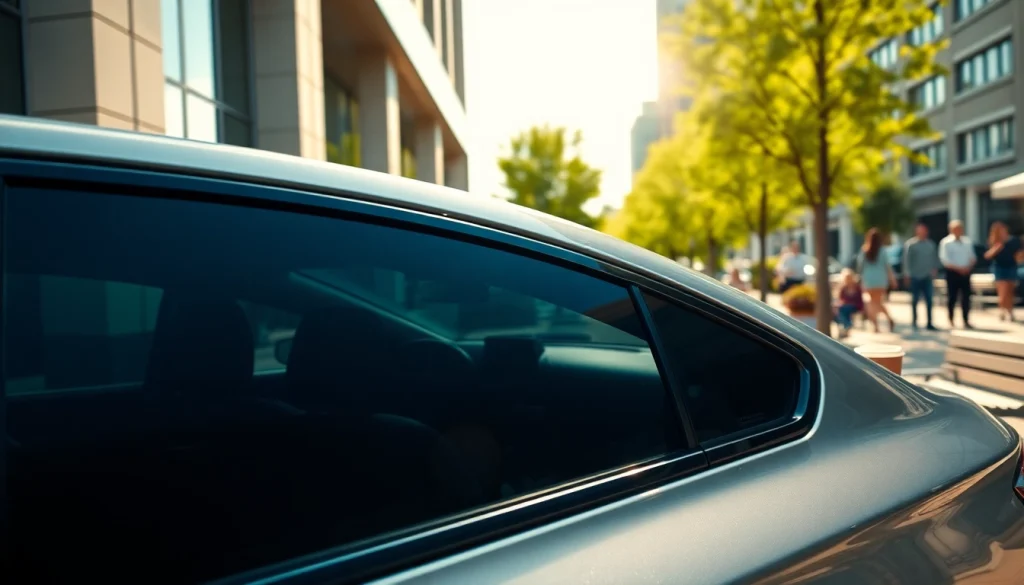
Window tint refers to a process involving the application of a thin film to the interior or exterior of glass surfaces—most commonly used in vehicles and buildings—to reduce glare, block UV rays, and enhance privacy. This film can vary in thickness, composition, and appearance, and it serves multiple functional purposes beyond aesthetics. When exploring options, consider searching for window tint near me to find local providers equipped to support your needs.
Advantages of Window Tinting
Window tinting boasts a plethora of advantages that can enhance both the comfort and aesthetics of your environment. Here are a few key benefits:
- UV Protection: Window films can block up to 99% of harmful UV rays, protecting your skin from sun exposure and preventing interior fading.
- Heat Reduction: Quality window tints can significantly reduce solar heat, maintaining a comfortable interior temperature and lowering energy costs.
- Enhanced Privacy: Tinted windows offer increased privacy by obscuring the view into your space while still allowing light in.
- Glare Reduction: Window tint can effectively lessen glare from the sun, making it easier to view screens and enhancing overall visual comfort.
- Safety and Security: Films strengthen the glass, which can help to hold shattered pieces together during impacts, thereby enhancing safety.
Common Myths About Window Tint
Despite its many benefits, misconceptions about window tinting can deter potential users. Here are some common myths:
- Myth 1: All window tints are illegal. Fact: Regulations vary by state, but there are many legal options available.
- Myth 2: Window tint makes interiors too dark. Fact: Tints come in various shades, so it’s possible to choose a lighter option that still provides benefits.
- Myth 3: Tinting isn’t necessary. Fact: Many benefits, such as UV protection and energy savings, make tinting a worthwhile consideration.
- Myth 4: Installation is a DIY task. Fact: Professional installation ensures better results and adherence to local regulations.
Types of Window Tinting Films
Dyed Window Films
Dyed films are the most cost-effective option available. They consist of a layer of dye between an adhesive and a protective top coat. While they provide some UV protection and glare reduction, they primarily enhance aesthetics. Their performance in heat rejection is limited compared to other film types, making them suitable for those focused on budget.
Metalized Window Films
Metalized films incorporate tiny metal particles, enhancing durability and heat rejection properties. They reflect heat and UV rays effectively, which can lead to significant energy savings. However, one potential drawback is the likelihood of interference with electronic signals, such as those from cell phones and GPS devices.
Carbon and Ceramic Window Films
Carbon and ceramic films are advanced options that offer exceptional heat rejection and UV blocking capabilities. Carbon film has a matte finish and won’t fade over time. Ceramic films contain non-metallic, non-conductive particles that block heat and UV rays without compromising visibility or interference with electronics. While these films are more expensive, the long-term benefits often justify the investment.
Choosing the Right Window Tint Near Me
Factors to Consider
When searching for the ideal window tint service, several factors are crucial for making an informed choice:
- Quality of Film: Research the types of films a provider offers, ensuring they use high-quality materials that meet your needs.
- Experience and Expertise: Look for installers with a proven track record and industry certifications to ensure professional installation.
- Warranty: Choose a service that provides warranties on both the film and the installation to protect your investment.
- Regulations: Verify that the service is familiar with local tinting laws to avoid potential legal issues.
How to Compare Local Services
To effectively compare local window tinting services, consider the following strategies:
- Gather Quotes: Contact multiple providers to obtain quotes based on your specific needs and desired film type.
- Visit in Person: If possible, visit the shops to assess their professionalism and customer service.
- Check Certifications: Ask about installer certifications, which demonstrate their commitment to quality and ongoing education.
- Evaluate Offerings: Look for additional services, such as removal or maintenance, that can add value to your investment.
Reading Reviews and Testimonials
Customer feedback is invaluable for assessing the reliability of window tinting services. Here’s how to effectively evaluate reviews:
- Focus on Recency: Look for recent reviews to get a sense of current service quality and customer satisfaction.
- Check Multiple Sources: Explore various review platforms to obtain a well-rounded view of the company’s reputation.
- Identify Patterns: Take note of common themes in positive and negative reviews, as they may highlight strengths or weaknesses in service.
- Ask for Recommendations: Seek personal recommendations from friends or family who have prior experience with local tinting services.
Installation Process of Window Tinting
Preparing for Installation
Preparing your vehicle or space is crucial for a successful window tinting installation. Steps include:
- Choose the Right Time: Schedule the installation for a time when you can keep the vehicle or space dry and undisturbed.
- Clean the Windows: Thoroughly clean the glass surfaces to ensure the tint adheres properly, as dust and debris can cause imperfections.
- Verify Regulations: Confirm that your chosen tint complies with local regulations to avoid future issues.
The Tinting Application Steps
The installation steps typically involve:
- Measure Windows: Accurate measurements are taken to ensure the film fits correctly.
- Cut the Film: Professionals cut the film using the measurements, taking care to provide extra for a proper fit.
- Apply the Film: Using a mist solution, the film is applied to the glass, followed by smoothing it out to eliminate bubbles.
- Trimming Edges: Excess film is trimmed for the perfect finish.
- Final Heat Treatment: Heat is applied to help the film adhere firmly to the glass.
Post-Installation Care
After the installation, several care tips are important to ensure the longevity of the film:
- Avoid Cleaning Windows: Refrain from cleaning the tinted windows for at least a week to allow the film to properly cure.
- Use Soft Cloths: When you do clean, opt for soft cloths and non-ammonia-based cleaners to prevent damage.
- Monitor for Bubbles: If bubbles appear, they can often disappear as the film cures; larger bubbles may require professional help.
Maintaining Your Window Tint
Best Practices for Care
To maximize the lifespan of your window tint, incorporate these maintenance tips:
- Regular Cleaning: Maintain cleanliness using gentle window cleaners and soft cloths.
- Avoid Abrasives: Steer clear of abrasive cleaners or tools that can scratch the film surface.
- Inspect Regularly: Periodically check for signs of peeling or damage to address issues promptly.
Signs of Wear and Tear
Keep an eye out for signs that indicate wear and tear, including:
- Peeling Edges: If the film starts to lift from the edges, it’s time to consider reapplication.
- Fading: Significant fading of color or clarity indicates degradation of the film.
- Increased Glare: Noticeable glare that wasn’t present after installation can signal damage to the tint.
When to Consider Reapplication
If you observe significant wear and tear, such as peeling or fading, it may be time to consider reapplication. Additionally, if you decide to sell or trade your vehicle, removing and replacing the tint to suit the new owner’s preferences can enhance resale value.
FAQs About Window Tinting
1. How long does window tint last?
With proper care, quality window tint can last between 5 to 10 years or more, depending on the type of film and environmental factors.
2. Is window tinting expensive?
The cost of window tinting varies based on the film type and vehicle size, but it’s generally a worthwhile investment considering the benefits.
3. Can I apply window tint myself?
While DIY kits are available, professional installation is recommended for optimal results and compliance with local regulations.
4. Will window tint make my car too dark?
Window tints come in various shades, allowing you to choose a level of darkness that meets your preferences and legal requirements.
5. Can window tint be removed?
Yes, professional services can safely remove window tint without damaging the glass, which is often preferred to DIY methods.