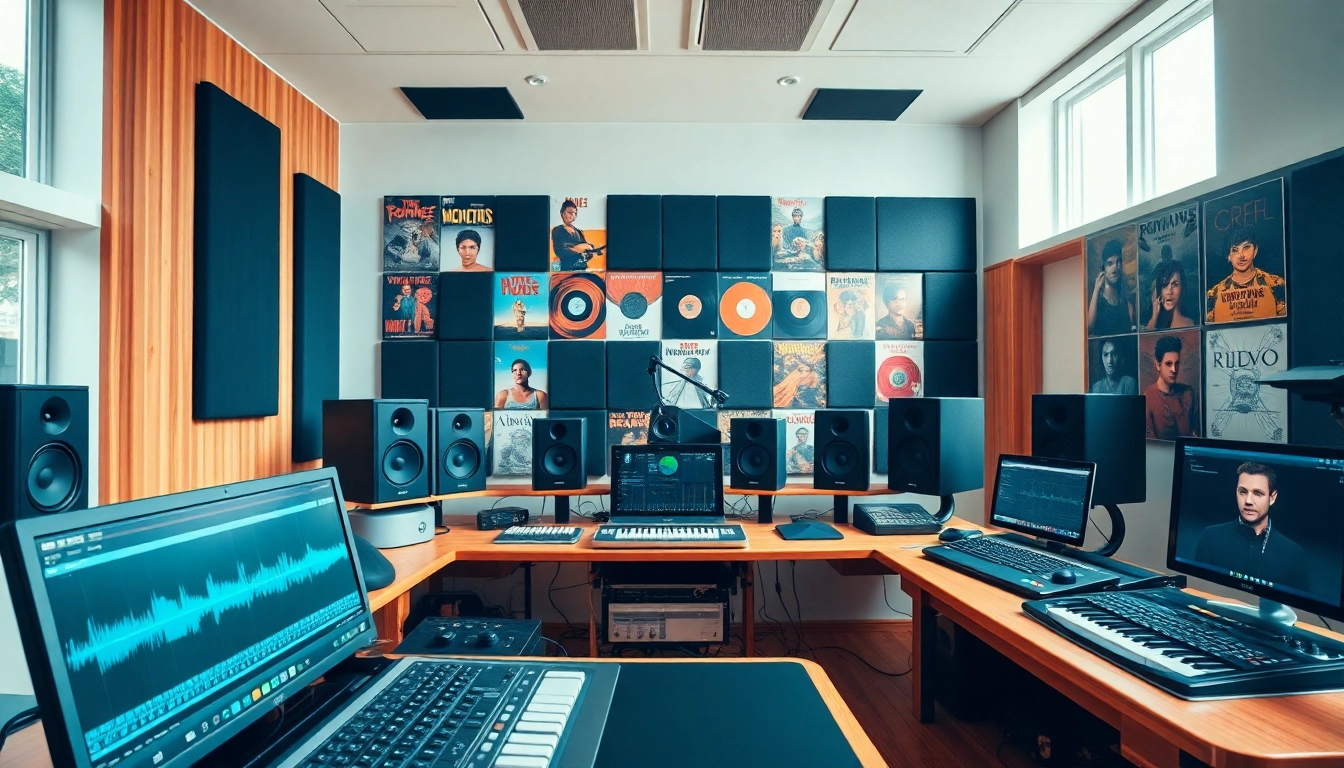
Introduction to Online Audio Mastering
In the ever-evolving world of music production, the role of online audio mastering has become crucial. It serves as the final step in the music creation process, where tracks are refined and polished before release. This guide will not only delve deep into what online audio mastering entails, but also highlight its significance, practices, and how to choose the right service for your needs.
What is Online Audio Mastering?
Online audio mastering is the art and science of preparing and transferring recorded audio from a source to a data storage device or distribution format. This process ensures that the audio is optimized for various listening environments and formats. Unlike mixing, which combines different audio tracks into a final stereo file, mastering focuses on enhancing the overall sonic quality, ensuring tonal balance, and controlling dynamics.
Importance of Mastering in Music Production
The mastering stage is essential in music production because it ensures that the final product translates well across different playback systems—be it headphones, car speakers, or high-end audio systems. Proper mastering can make the difference between a track that sounds amateur and one that is polished and professional. It enhances the clarity, volume, and emotional impact of the music, allowing artists to present their work in the best light possible.
Key Differences: Mixing vs. Mastering
While mixing and mastering are both essential steps in audio production, they have distinct roles. Mixing involves adjusting individual audio tracks’ levels, panning, enhancements, and effects to create a cohesive song. Mastering, on the other hand, is about finalizing that mix into one stereo track, ensuring it meets industry standards in terms of loudness, clarity, and tonal balance. Understanding these differences is crucial for artists looking to achieve professional-quality recordings.
Choosing the Right Online Audio Mastering Service
With numerous online audio mastering services available, selecting the right one can be overwhelming. However, a few key factors can guide your decision and ensure that your music receives the quality treatment it deserves.
Factors to Consider for Quality Mastering
When choosing an online audio mastering service, consider the following factors:
- Experience: Look for services with experienced mastering engineers who understand various music genres.
- Tools and Technology: Ensure that the service uses industry-standard tools and processes to provide high-quality master tracks.
- Turnaround Time: Some projects have tight deadlines; ensure the service can meet your timeline.
- Communication: A service that offers clear communication will help you articulate your vision and achieve better results.
Reviews and Reputation: Finding Trusted Services
Before committing to an online audio mastering service, look for reviews and testimonials from previous clients. Industry reputation can often provide insights into the quality of work and customer service you can expect. Websites and forums dedicated to music production can also be valuable resources for recommendations.
Understanding Pricing Models for Mastering
The cost of online audio mastering can vary significantly. Some services offer flat rates per track, while others may charge based on the complexity or length of the project. Understanding these pricing models can help you budget effectively. Remember, you often get what you pay for, so be wary of excessively low prices that may reflect subpar quality.
Common Techniques in Online Audio Mastering
Mastering is both an art and a science that employs several technical techniques to achieve the final sound of a track. Here are some common techniques employed during the mastering process.
Dynamic Range Control and Compression
Dynamic range control is a fundamental aspect of mastering. It involves adjusting the Volume differences between the softest and loudest parts of a track. Compression helps to even out these peaks and troughs, ensuring that no part of the track overwhelms the others. When applied judiciously, compression can enhance the overall loudness of the track while maintaining its character.
Equalization for Tone Shaping
Equalization (EQ) is crucial for creating a balanced sound. During mastering, EQ can be used to enhance or cut specific frequencies, ensuring that the mix is pleasant and clear. This process shapes the tonal balance of the track and may involve broad adjustments rather than fine-tuning to ensure that the music translates well across all devices.
Using Limiting Effectively
Limiting is applied to avoid peaks in the audio signal which can cause distortion. This process allows tracks to reach competitive loudness levels. However, it’s essential to use limiting wisely to prevent unintentional distortion or loss of dynamic range, which can sabotage the emotional impact of the music.
Best Practices for Preparing Your Tracks
Preparing your audio tracks for mastering is a crucial step that can significantly influence the final output. Proper preparation can help ensure a smooth mastering process and an optimal final product.
Preparing Your Mix for Mastering
Before sending your track for mastering, ensure that it is well-mixed, with no overlapping frequencies and balanced levels. Consider leaving some headroom in your mixes to facilitate the mastering engineer’s work. Adopting a conservative approach to your mix levels allows more room for the necessary adjustments during mastering.
File Formats and Specifications
When submitting audio files for mastering, adhere to the specified formats. Most online mastering services accept WAV or AIFF files at 24-bit/48kHz or higher. Ensure these specifications align with the mastering service’s requirements to avoid the need for additional processing, which can affect audio quality.
Common Mistakes to Avoid
A common mistake when preparing tracks for mastering is submitting files with effects still applied, such as excessive compression or limiting. Additionally, avoiding poorly balanced mixes can hinder the mastering engineer’s ability to deliver the best outcome. Take the time to finalize the mix, ensuring each element sits well within the overall sound.
Measuring Success After Online Audio Mastering
Once your tracks are mastered and returned to you, evaluating them to ensure they meet your expectations is crucial. Here are ways to gauge the success of the mastering process.
Listening for Quality Assurance
After receiving your mastered tracks, conduct a thorough listening session. Evaluate the clarity, loudness, stereo width, and overall impact of the track. Listening across multiple systems, including headphones, desktop speakers, and larger sound systems, will also provide insights into how well the audio translates.
Getting Feedback from Peers
Seeking feedback from friends, fellow musicians, or professionals can provide valuable insights. They may notice elements that you may overlook or confirm your impressions regarding sound quality. Constructive criticism can help refine your understanding of what works and what doesn’t in a mastered track.
Understanding Industry Standards for Sound Quality
Familiarizing yourself with industry standards regarding sound quality is essential. Platforms like Spotify and Apple Music have specific loudness and quality requirements. Mastering your tracks to not only meet but exceed these standards can enhance your chances of favorable reception in the music industry.
FAQs about Online Audio Mastering
What is the typical turnaround time for online audio mastering?
Turnaround times can vary widely by service, typically ranging from a few hours to a week. Always check the service’s estimated timeframe before submission.
Can I master my own music?
While you can master your own music, it often requires specialized skills and ears. Professional mastering engineers bring expertise that can enhance your tracks significantly.
How much does online audio mastering cost?
The cost for online audio mastering varies depending on the service, typically ranging from $20 to over $200 per track, depending on factors like length and complexity.
What file formats are needed for mastering?
Most services accept 24-bit WAV or AIFF files. Always check with your chosen service for specific requirements to avoid quality loss.
Can mastering fix a poorly mixed track?
Mastering cannot fix fundamental issues in a mix. It can enhance and polish a well-made mix, but significant problems should be addressed during the mixing stage.